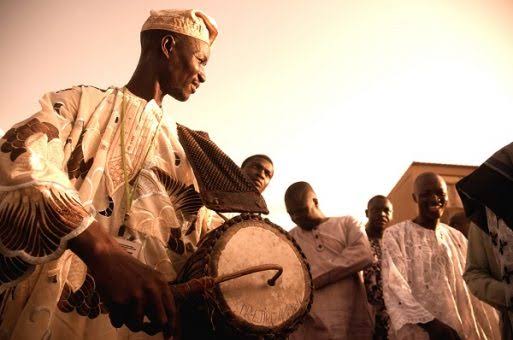
Preserving Yoruba Culture and Traditions for Future GenerationsCulture is an important part of a people’s identity. It carries their history, values, language, beliefs, creativity, and understanding of the world. For the Yoruba people of southwestern Nigeria and communities across the diaspora, cultural heritage remains a valuable connection between the past and the future.The Beauty of Yoruba LanguageThe Yoruba language carries a rich tradition of proverbs, poetry, praise poetry, folktales, and oral history. These forms of expression communicate wisdom, humour, respect, and lessons about life.Encouraging children and young people to speak, read, and understand Yoruba can help preserve this heritage for generations to come.Traditional Music, Festivals, and ArtsTraditional drumming, dance, beadwork, textiles, sculpture, and community festivals reflect the creativity and diversity of Yoruba communities.These traditions also provide opportunities for artists, craftspeople, performers, and cultural educators to share their skills and sustain their work.The Role of Families and MediaFamilies can preserve culture by telling stories, teaching traditional songs, explaining proverbs, and sharing the histories of their communities.Media platforms can support these efforts through interviews with elders, cultural documentaries, articles about local customs, and educational programmes that explore the meaning behind traditions.Such content should represent communities respectfully and recognise that customs may differ from one town, family, or generation to another.Bringing Culture to Younger AudiencesYoung people can use digital tools to document oral histories, produce educational videos, interview cultural practitioners, and share indigenous-language content online.Modern technology does not have to replace tradition. It can help preserve cultural knowledge and make it accessible to audiences around the world.ConclusionPreserving Yoruba culture is a shared responsibility. By valuing our languages, stories, arts, and community histories, we can ensure that future generations have opportunities to understand and appreciate their heritage.
Preserving Yoruba Culture and Traditions for Future Generations